1) Define testing plans for new production lines, assign responsible persons, and review test data for approval.
2) Evaluate costs incurred during testing, monitor test results, including losses, in order to define preventive and corrective measures.
3) Prepare work instructions and establish standards as guidelines for operations in compliance with quality, safety, and legal requirements.
4) Train, assign tasks, and provide guidance to subordinates to ensure correct execution in accordance with work instructions.
5) Monitor and inspect production line readiness, including random checks of raw material availability, machine conditions, and production documentation, to ensure employees can work correctly and safely according to the production plan.
6) Conduct meetings with subordinates to communicate information thoroughly, listen to issues, and provide initial problem-solving and preventive actions to ensure continuous operations.
7) Analyze problems and identify solutions in the production process when products do not meet specifications, and propose improvements to enhance, design, and develop production processes in alignment with organizational goals.
8) Modify and improve assembly process machinery to ensure operational efficiency, including establishing preventive maintenance plans to maintain effective production processes.
9) Develop improvement plans to reduce production costs in the assembly process and minimize production errors.
10) Coordinate with related departments to improve processes that increase productivity and reduce defect generation.
11) Monitor and verify daily production output to ensure alignment with the production plan and on-time delivery to customers.
12) Prepare monthly production reports for management, including performance summaries, problem analysis, and corrective actions to prevent recurrence.
13) Apply new technologies and improve production processes to enhance efficiency in line with departmental objectives.
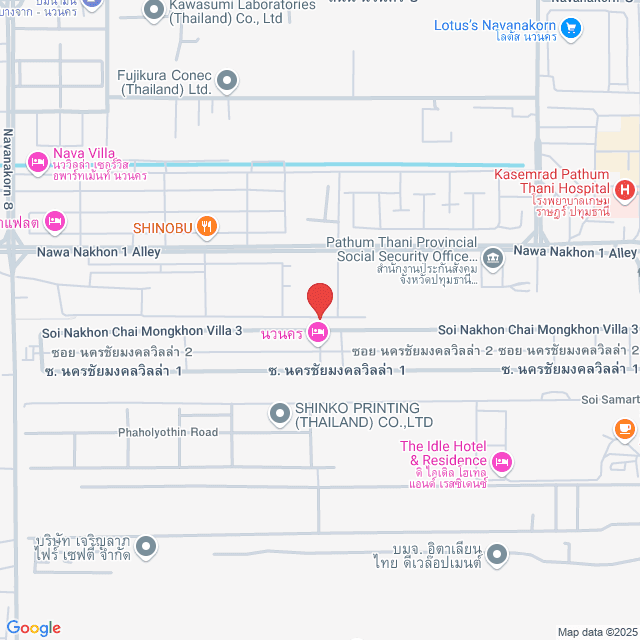
 บริษัท ฟูจิคูระ คอนเนค (ประเทศไทย) จำกัด