Advanced Info Service PLC. (BP6)
Over the course of 31 years of providing telecommunication infrastructure to Thai society, starting in 1990 under collaborative contract or concessionaires, AIS was granted the right to utilize state frequencies under the 25-year Built-Transfer-Operate (BTO) agreement. In 2010, the National Broadcasting and Telecommunications Commission (NBTC), the government agency regulating broadcasting and telecommunication, was established and tasked with granting spectrum licenses. The licensing scheme, which is a major turning point for the telecommunications industry in Thailand, supports fair competition as well as the development of new technologies.
AIS remains committed to its vision of “To become the most-admired Digital Life Service Provider in Thailand” through the following missions:
Vision
“Deliver superior products and services that enrich people’s daily lives and improve enterprise capabilities and efficiency.”
Missions
• Enhance customer intimacy through the best customer experience.
• Drive entrepreneurship and employees’ professionalism, and promote a positive, lively and agile work culture.
• Build win-win growth for all stakeholders.
AIS remains committed to its vision of “To become the most-admired Digital Life Service Provider in Thailand” through the following missions:
Vision
“Deliver superior products and services that enrich people’s daily lives and improve enterprise capabilities and efficiency.”
Missions
• Enhance customer intimacy through the best customer experience.
• Drive entrepreneurship and employees’ professionalism, and promote a positive, lively and agile work culture.
• Build win-win growth for all stakeholders.
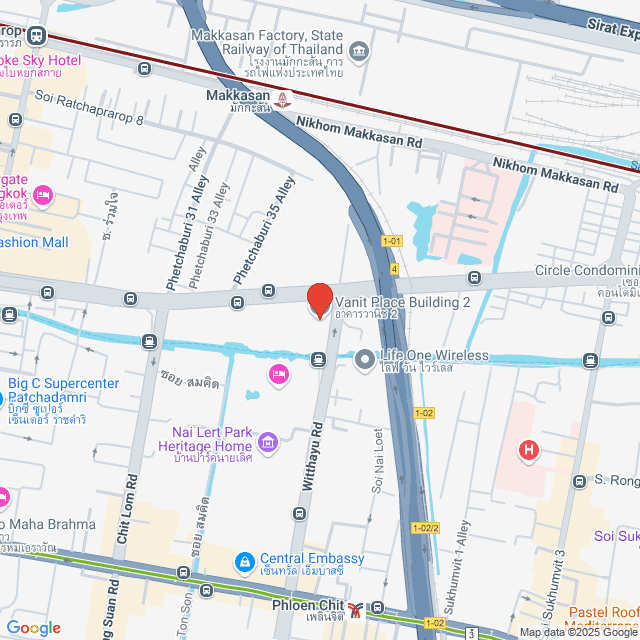
ที่อยู่414 AIS Tower 1, 13th Floor, Phaholyothin Road, Phayathai, Bangkok 10400
ชื่อผู้ติดต่อ-
โทรศัพท์-
เว็บไซต์-